




Why a projector screen is a must
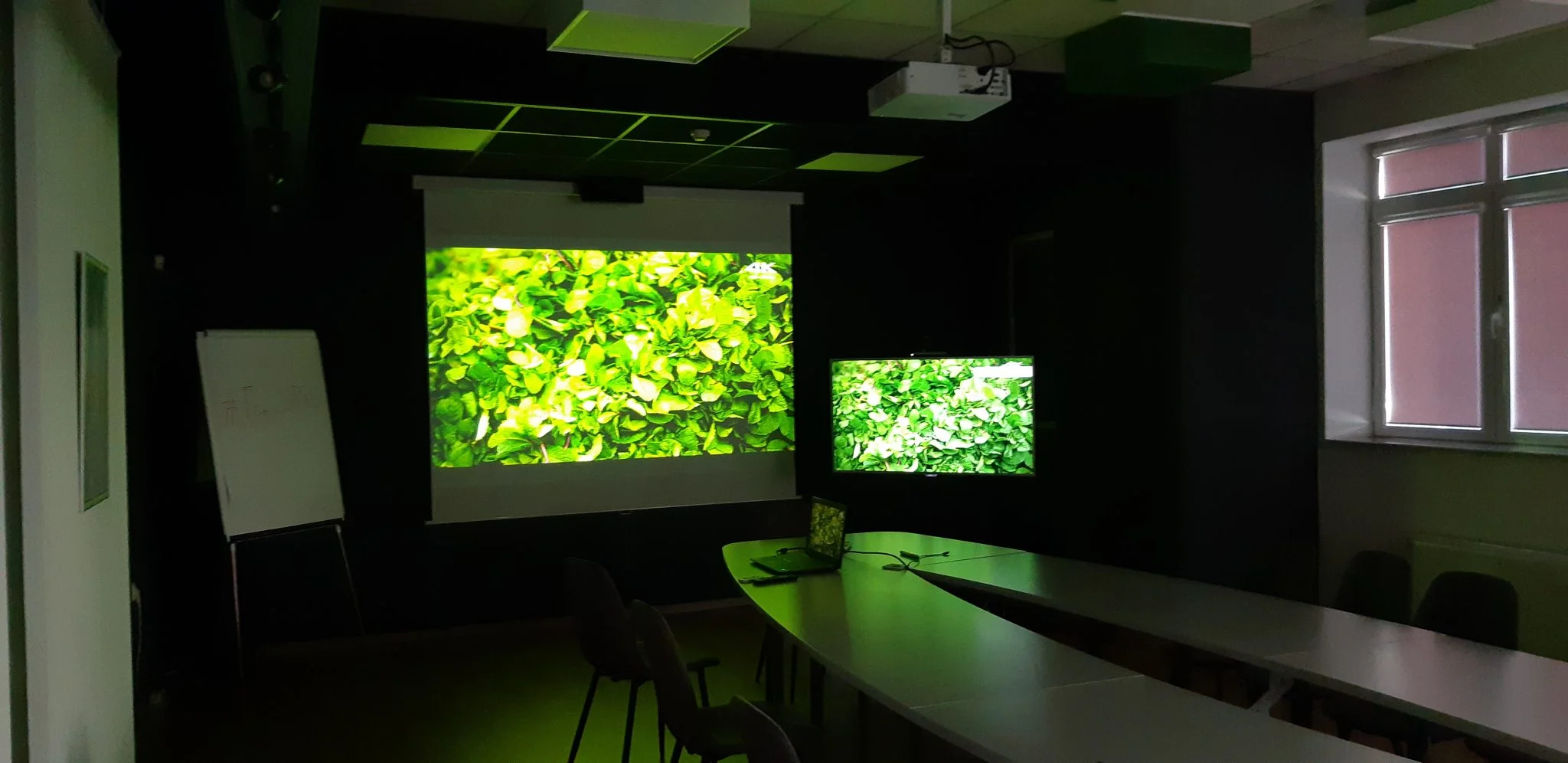
This is a question we are asked often. Many people mistakenly believe that a plain painted white wall or a white sheet will do the job. With either of these options, detail, contrast and color fidelity are severely compromised. Conventional paint is not designed to reflect light evenly, and no matter how smooth the surface, light is scattered. Latex is equally inappropriate. If you want a true cinema experience, you need suitable screen for projector.
Don't worry - the screens don't have to be prohibitively expensive, but don't expect even the cheapest models to be materially different from the bad examples above. Decent options start at around 400 BGN, and premium solutions from established brands (depending on size, sail and management) can reach 5,000 leva. In the context of a typical home cinema, these are reasonable costs. If you try to build a cinema with "as much money as a big screen TV", the result is often disappointment.
Screen size
First decide how big you want the screen to be - this depends on the space available. Typical sizes are between 96-120 inches diagonal. Indoor TV screens are getting bigger, but don't compare to scale of the projection.
- Make sure the bottom edge of the screen is visible from any seating position.
- Don't choose a screen so big that you have to "move your eyes" to take in the image - it feels like being in the front row of a cinema.
The choice also depends on the ratio of the visible/irradiated part of the screen:
- 1:1 - usually screens without black borders, often for presentations; multifunctional and most affordable.
- 4:3 - the standard from older TVs; suitable for projectors and 4:3 content (e.g. photography).
- 16:9 - the most sought-after standard today (TV programs and most movies); widely used in businesses and home theaters.
- 16:10 - standard for many projectors; optimal for a computer signal of the same aspect.
- 2.35:1 (CinemaScope) - used in cinema after the 1970s; a niche choice for studios and cinephiles.
Note that these aspects also have corresponding digital dimensions in photography. Match the choice to the room, the projector and the type of signal.
Gain and contrast
Gain is the amount of reflected light per unit area. This characteristic directly affects the contrast: at higher gain the contrast decreases. That is, a screen (and projector) for an office often differs from one for a home cinema.
Types of screens
- Electric screens - convenient for frequent use and integration.
- Manual screens - affordable solutions for simpler applications.
- Frame type screens - permanent installation, perfect flat for high resolution.
- Portable screens - for mobile presentations and temporary installations.
Which screen you need depends on the case - you can choose yourself or trust our team. As we found out, a good result without a projector screen is impossible.
Conclusion
We hope this brief description of the main features is useful. OP Systems Ltd. designs home cinemas and conference rooms, supplies and installs projector screens.